Most mornings, Albert opened the door of his Washington, D.C. apartment and bent down to pick up the newspaper.
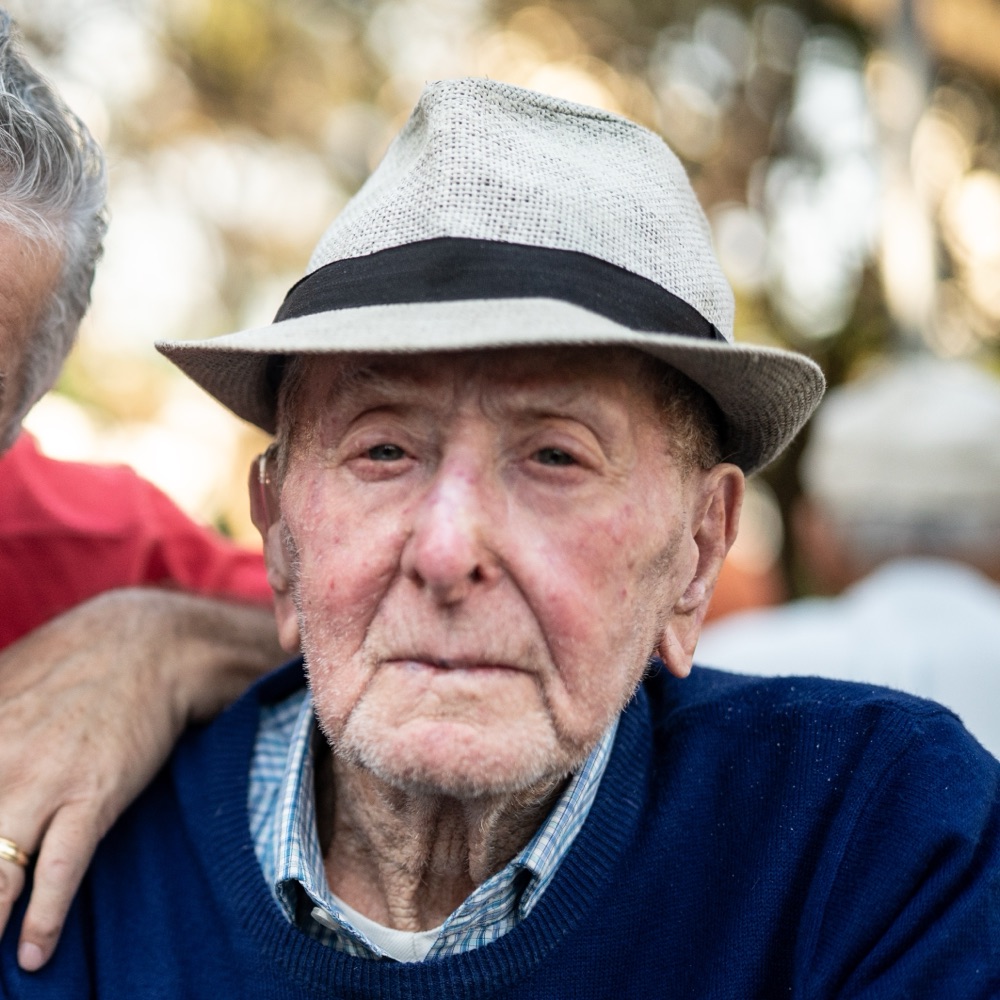
It was a small ritual for a man who had spent his whole life reading about the world and then going out to see it for himself.
One morning, the day before Thanksgiving, he reached for the paper as he always did, lost his balance, and fell. He was 95 years old, still living on his own, and still very much enjoying his life.
Albert grew up in a small town, in a household where parents and grandparents prized education and hard work. Longevity ran in the family. His grandfather lived to 107, and his sister is still living at 99. By any reasonable measure, Albert had good reason to expect more years ahead.
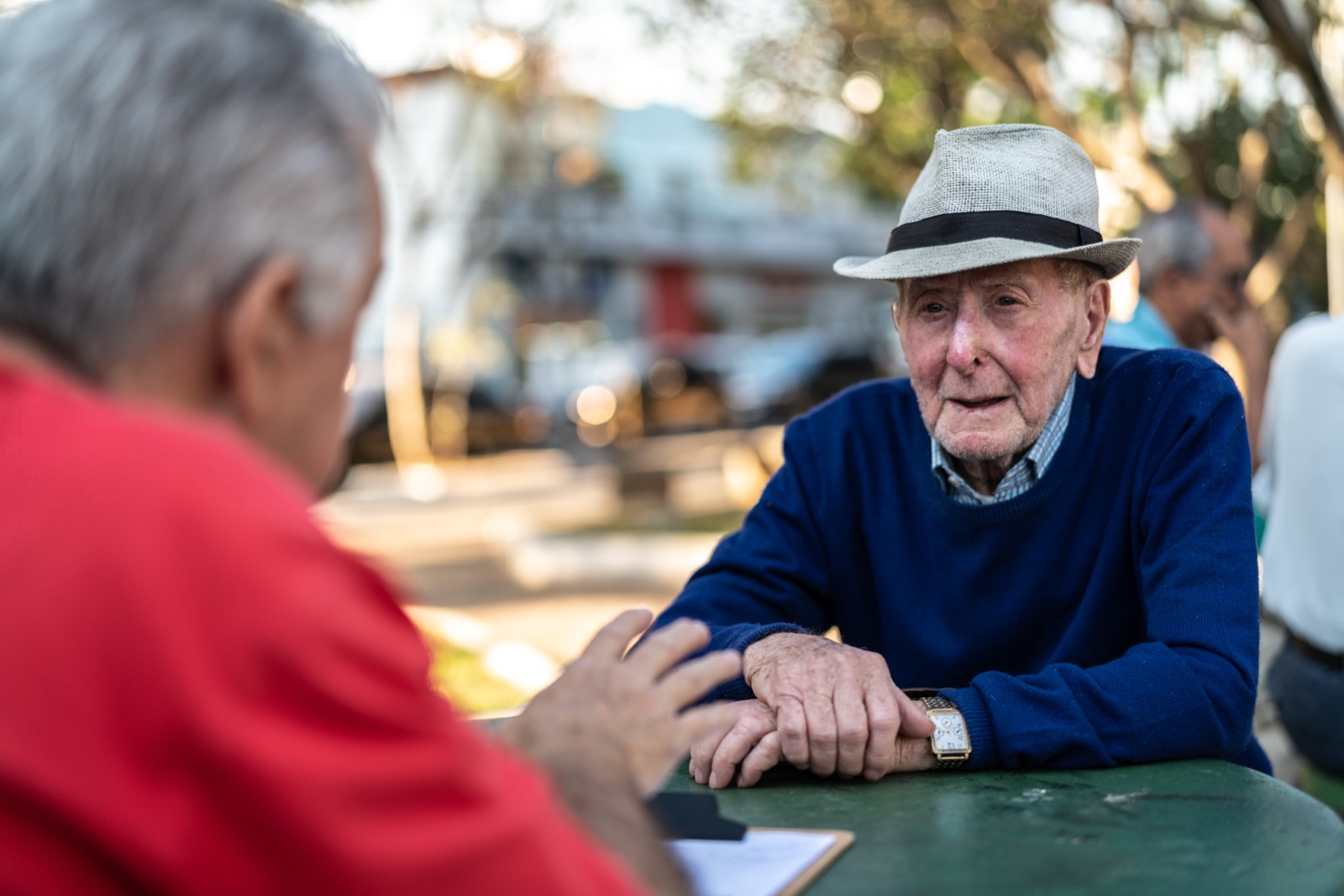
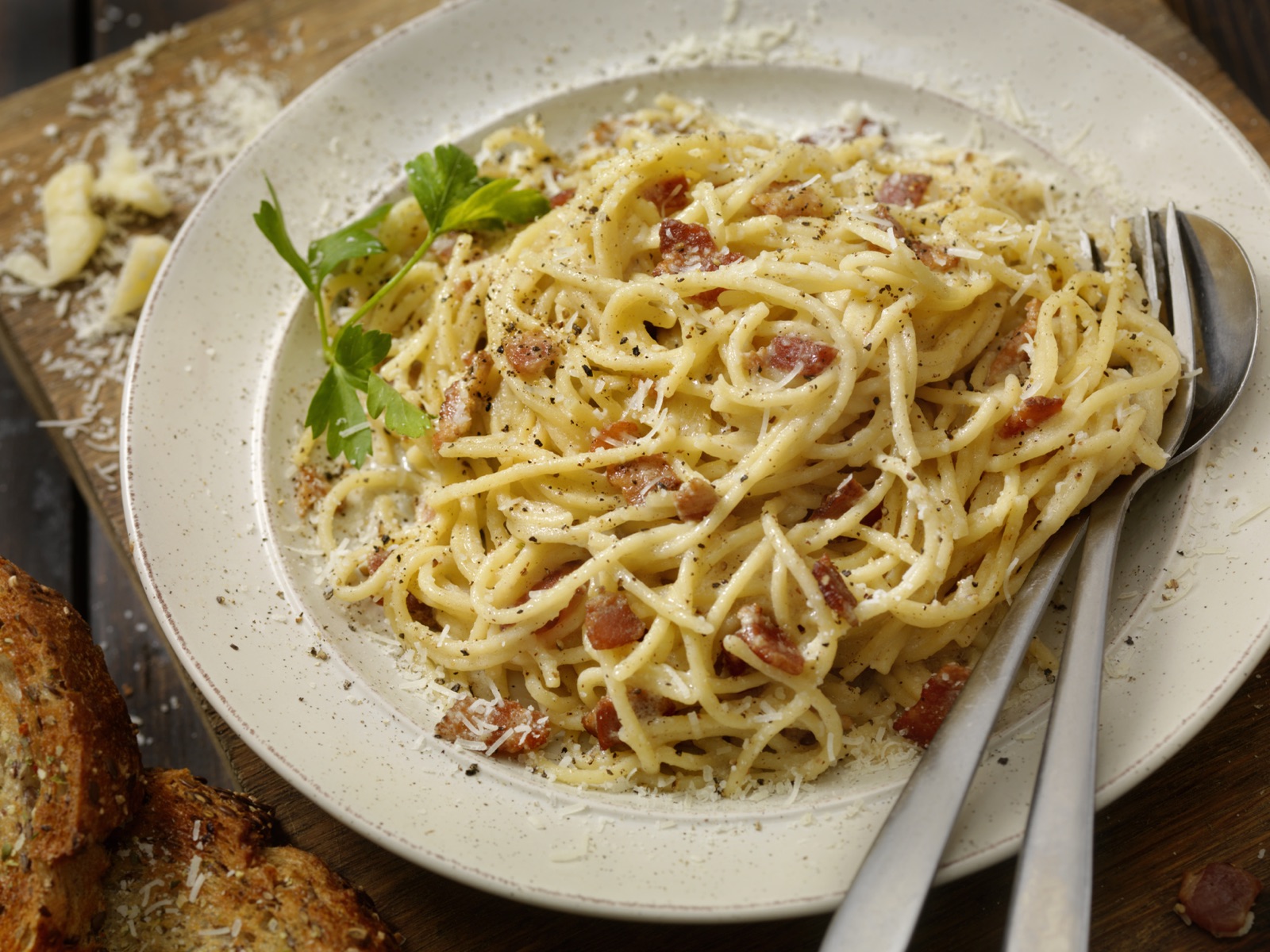
Albert earned a PhD, and built a career founding and running study abroad programs for colleges and universities until he retired. He came home from each trip with stories, and he loved nothing more than sharing them over dinner. Guests could count on his famous Pasta alla Carbonara or Risotto alla Milanese, served with tales of the people he had met and the places he had seen. He was also a lifelong Rotarian, and wherever he traveled, he looked up the local Rotary meeting, and over the years those visits grew into friendships around the world.
No one knows how long he lay there in his pajamas. He was alert the whole time, but he could not get himself up, and he could not reach a phone to call for help. When the family found him, they got him into an ambulance. An x-ray confirmed a fractured hip.
Surgery came first, then rehab. For a moment, it looked like the familiar path back. But his body, so resilient for so long, began to give way to one complication after another, including necrosis and a series of infections. Albert died about six weeks after the fall. A single misstep at his own front door had set off a decline that nothing could stop.